Ask ten SEOs how to rank and nine of them will mention backlinks. Yet backlinks are also where websites get penalised — buy links from the wrong places and Google can undo months of work in a single algorithmic wave. The safe middle path is white hat link building: earning and acquiring links the way the rules intend, so the authority you build is real, durable and actually moves rankings. Here is how it works in 2026, what the techniques are, and how to know when to do it yourself versus when to call in a specialist.
What Exactly Is White Hat Link Building?
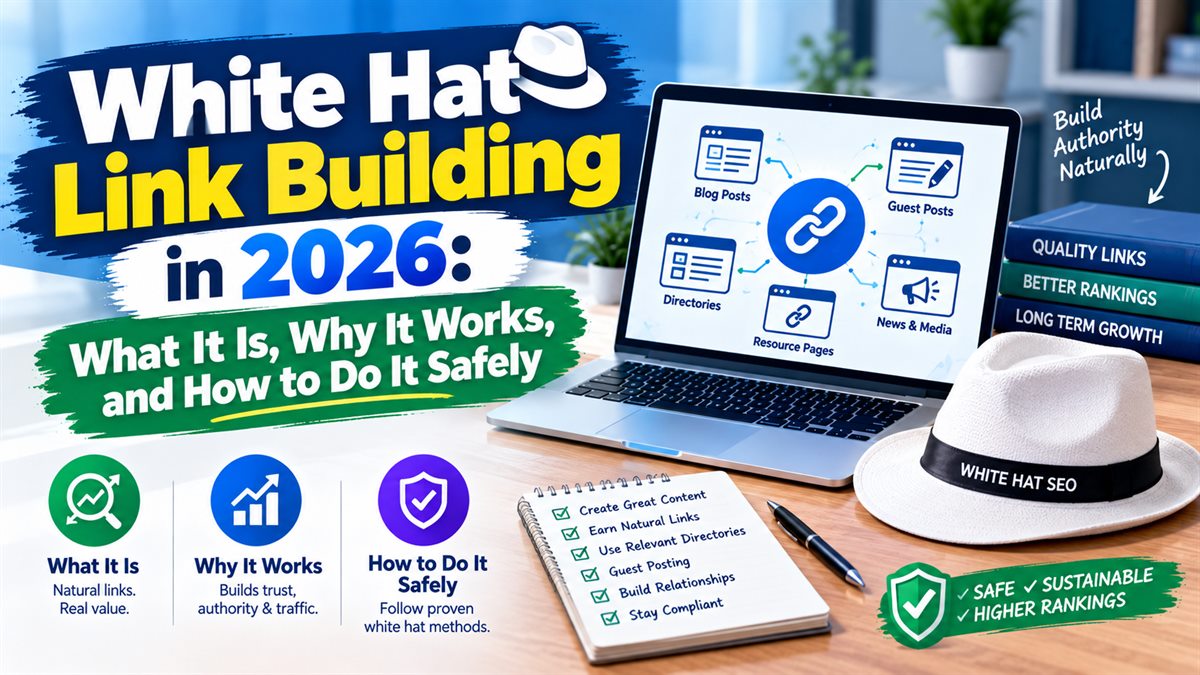
A backlink is another website voting for yours. White hat link building is the discipline of earning those votes through quality and relevance rather than buying or trading them. There is no clever trick — there is a repeatable process: create content or value worth linking to, place it in relevant contexts, and let relevance and authority compound over time.
Link Building vs. Link Earning
Link earning is what happens when your content is so good people cite it unprompted. Link building is the active outreach that accelerates that process — identifying sites where a link to your resource genuinely improves their page, and asking for it. Both are white hat; the difference is who initiates.
Examples of White Hat Links
- A roundup post in your industry that naturally cites your guide as a resource.
- A genuinely useful guest article you wrote for an authori-topic blog in your niche.
- A journalism site quoting your original research, statistics or expert comment.
- A directory or resource page where your business is a legitimately relevant listing.
Why Backlinks Still Matter in 2026
Every few years someone declares links dead. They are not. Google's systems have only gotten better at measuring relevance and trust — which means fewer, higher-quality links now outweigh hundreds of weak ones. What changed by 2026:
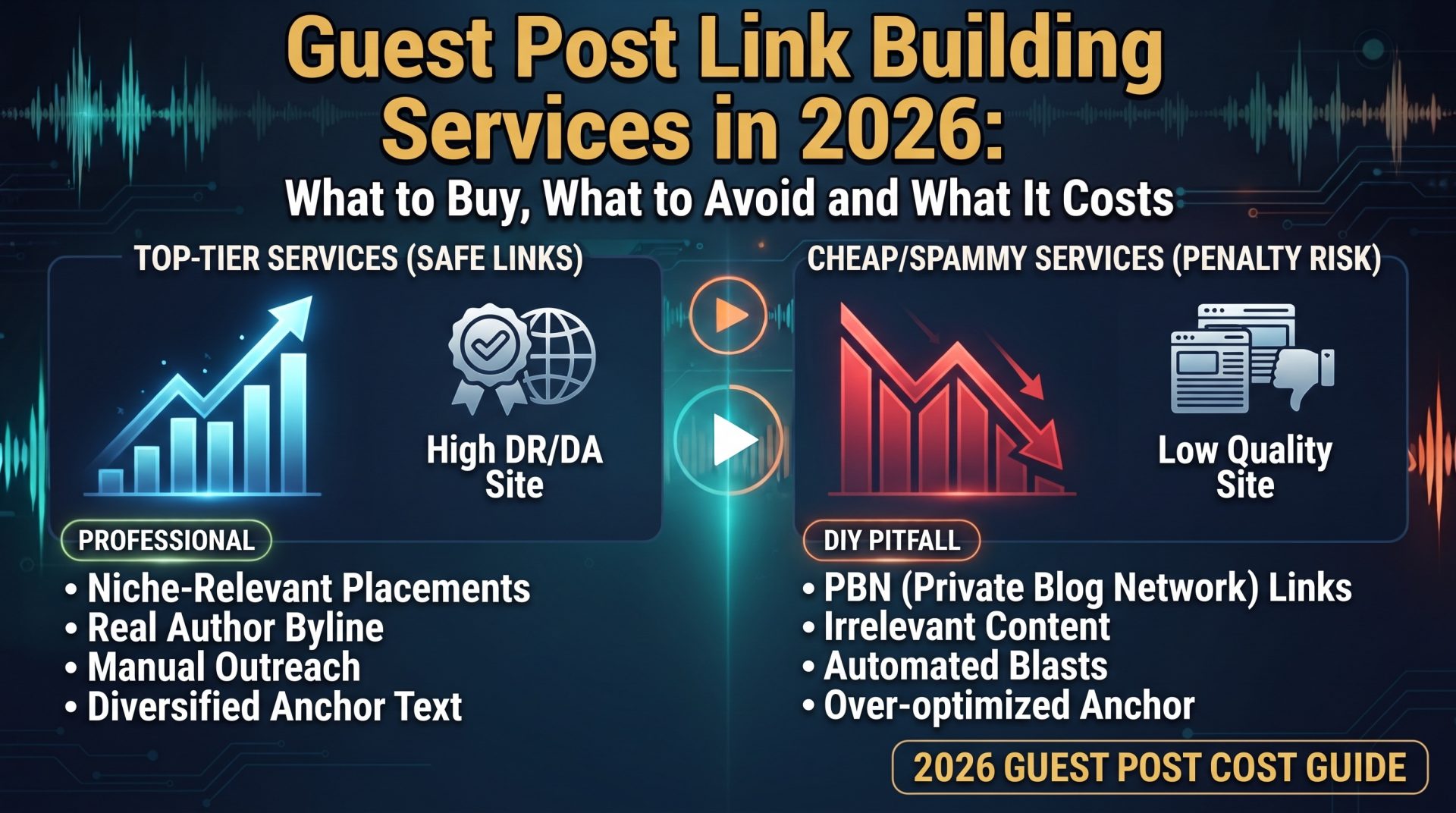
- Spam thresholds are brutal. Links that smell manufactured — from link farms, expired-domain abuse or bulk PBN networks — carry far more risk than they did a decade ago.
- Context beats raw count. Ten links from topically relevant, visited pages beat a thousand from ad banners and blog comment spam.
- Links remain a top-3 ranking signal. Content quality and technical SEO get you in the game; authoritative referral links still help you win it.
A strong link profile sits alongside technical SEO and performance — on-page excellence makes every future link more effective, because it is passing authority into a page that converts it into rankings.
The Main White Hat Techniques
1. Guest Posts and Niche Editorial Content
Writing genuinely valuable articles for authoritative websites in your industry is the most controllable white hat method. It never looks like spam when the content itself is good: it answers a real question, references your expertise naturally, and links only where a reader would benefit. Done well, a guest post earns a relevant link, sends targeted referral traffic, and quietly builds your brand with the audience that matters.
2. Digital PR and Expert Commentary
Journalists are always short on data and expert opinion. A well-timed pitch with original statistics, a survey, or a sharp industry take can earn links from news and trade publications that nothing else can replicate — high-authority, high-trust, and impossible to buy through paid link agencies.
3. Broken Link Building
This is the classic outreach play: find a broken (404) resource page on a site in your niche, show the owner a replacement — your content — and let the dead link become a live one pointing to you. The site owner wins (a fixed page, no dead weight), and you win a relevant, contextually justified link.
4. Content-Led Link Acquisition
Original research, tools, definitive guides and data studies are the link magnets of the web. When your content is the best answer to a question, sites cite you as the source. This technique is slower to produce but produces links you keep for years.
Red Flags: What White Hat Never Includes
- Buying bulk links on marketplaces or "link packages" with thousands of sites.
- Links from private blog networks (PBNs) — sites built only to pass authority.
- Footer or sidebar links plastered across irrelevant directories.
- Massive exact-match anchor text ("best seo company lahore" linked from twenty unrelated blogs).
- Anything that promises "500 links in 30 days" — that phrase is a warning label.
If an offer sounds too fast, it is. Professional backlink building services operate the opposite way: slow, relevant, verified placements on real sites with real audiences.
DIY vs. Hiring a White Hat Link Building Service
Doing It Yourself
DIY is viable if you have time, writing ability, and patience. You will need to research targets, write or coordinate content, craft personalised outreach, track placements, and monitor the profile monthly. Realistic budget: 10–20 hours per month for a sustained programme — most founders do not have those hours.
Hiring a Professional Service
A specialist service brings three things you cannot copy-and-paste: an existing list of vetted, relevant sites; relationships built over years of outreach; and a quality-assurance process that checks every domain for traffic, topical fit and spam history before it touches your profile. The deliverable is authority that a competitor cannot easily replicate.
Whichever route you choose, surround it with SEO content services — because links pointed at weak content are wasted authority, while links pointed at genuinely useful pages compound.
Frequently Asked Questions
How long does white hat link building take to work?
Plan for 3–6 months to see movement on competitive keywords. Genuine links are earned in a chain — outreach, publication, indexing, compounding — and patience is part of the strategy.
How many links do I need per month?
Quality over volume: 3–8 strong, relevant links a month is a healthy, sustainable pace for most small businesses. The goal is consistent relevance, not a spike that looks manufactured.
Can't I just buy links and risk it?
You can — and businesses do, every day. Some fly under the radar for a while. The risk should be priced honestly: one algorithmic update or manual review can wipe out both the links and the rankings built on them, and recovery takes months. White hat returns are slower and permanent.
What makes a link "high quality" in 2026?
Relevance to your niche, editorial placement (chosen by a real editor because it helps readers), real traffic on the referring page, and natural anchor text. Everything else is decoration.
Final Thoughts: Build Authority You Can Count On
White hat link building is not the fastest SEO. It is the safest, and in 2026 — with spam detection sharper than ever — it is the only kind of link building that lasts. Earn relevant links, at a sustainable pace, into pages worth linking to, and you build ranking strength no competitor can buy away from you.
If you want a team already doing this well for clients every week, ask us for a link-building plan — we will show you the type of sites we would pursue for your niche before you commit to anything.